Why “Wonderfullest Things?”
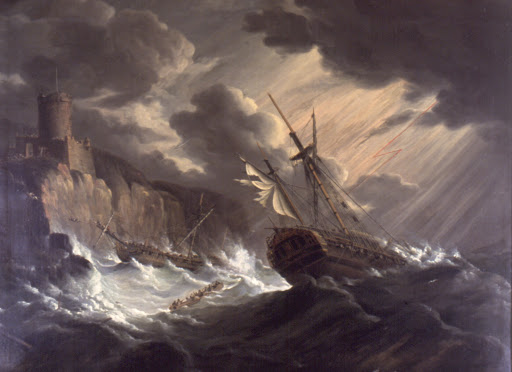
What a name. Is this about shopping? Is this a real word? What is with ship at sea motif?
Wonderfullest things has always struck me with its mouthful of rhythm and it seemed an ideal title for my blog. Where was I for this off phrase to strike me, you may wonder? Just where your average 12-year-old might be, reading Moby Dick on a family camping trip in 1971. At the time, it was just the words that rang my bell. I started using it all the time to the annoyance of my family. “That was the wonderfullest chili you ever made, Dad!” Or “Hey ,Brother, my fish is more wonderfullest than yours.”
But my fascination with this one weird word made me concentrate on the whole chapter, which is the shortest in Melville’s tome. And what a chapter it is, concerning one Bulkington who dies at sea. The chapter is the Lee Shore and speaks to our longing to seek adventure on the sea, yet tempered by our human compulsion to stay within sight of the land:
Some chapters back, one Bulkington was spoken of, a tall, newlanded mariner, encountered in New Bedford at the inn.
When on that shivering winter’s night, the Pequod thrust her vindictive bows into the cold malicious waves, who should I see standing at her helm but Bulkington! I looked with sympathetic awe and fearfulness upon the man, who in mid-winter just landed from a four years’ dangerous voyage, could so unrestingly push off again for still another tempestuous term. The land seemed scorching to his feet. Wonderfullest things are ever the unmentionable; deep memories yield no epitaphs; this six-inch chapter is the stoneless grave of Bulkington. Let me only say that it fared with him as with the storm-tossed ship, that miserably drives along the leeward land. The port would fain give succor; the port is pitiful; in the port is safety, comfort, hearthstone, supper, warm blankets, friends, all that’s kind to our mortalities. But in that gale, the port, the land, is that ship’s direst jeopardy; she must fly all hospitality; one touch of land, though it but graze the keel, would make her shudder through and through. With all her might she crowds all sail offshore; in so doing, fights ‘gainst the very winds that fain would blow her homeward; seeks all the lashed sea’s landlessness again; for refuge’s sake forlornly rushing into peril; her only friend her bitterest foe!
Know ye now, Bulkington? Glimpses do ye seem to see of that mortally intolerable truth; that all deep, earnest thinking is but the intrepid effort of the soul to keep the open independence of her sea; while the wildest winds of heaven and earth conspire to cast her on the treacherous, slavish shore?
But as in landlessness alone resides highest truth, shoreless, indefinite as God- so better is it to perish in that howling infinite, than be ingloriously dashed upon the lee, even if that were safety!
Although much of this was beyond me at 12, and some of it still elusive at 61, I caught its call to adventure. Once you are at sea, the shore is your enemy. You play tag with its supposed safety at your peril. At 12, I was launching on an adventure I could only dimly imagine and in no way articulate. Yet I was there, one foot on a ship that is setting sail.
That tension has always persisted with me, the playing it safe while striving for adventures and new lands, literally with travel and food and drink and with people and spiritually. Is your past, your landedness, your groundedness, actually your greatest limiting factor? Or do those roots let you branch out safely, when the shore is out of sight. If you are going to dive into the deep end, you do not want an anchor chain around your feet.
So, this is where the blog comes from. Let’s see where it goes.
Get new content delivered directly to your inbox.
 Wonderfullest Things